100mA vs 300mA vs 500mA X-Ray Machine: Which One Is Right for Your Hospital?
Introductions
Choosing the right X-Ray machine is an important decision for hospitals, nursing homes and diagnostic centres. The equipment you select can influence your imaging workflow, examination capacity, operational efficiency, and long-term investment.
When exploring X-Ray equipment, you may come across different configurations, including 100mA, 300mA and 500mA X-Ray machines. Understanding the differences between these options can help you identify a system that suits your facility’s requirements.
In this guide, we explain the key considerations when comparing 100mA, 300mA, and 500mA X-Ray machines, their potential applications, and the factors to evaluate before purchasing medical imaging equipment.
What Does mA Mean in an X-Ray Machine?
The term mA stands for milliamperes and represents the electric current flowing through the X-Ray tube during exposure. Tube current is one of the parameters used to control X-Ray production.
In general, a higher tube current can allow the required tube current-time product to be achieved over a shorter exposure period, depending on the generator, tube, and selected exposure settings.
However, mA alone does not determine image quality, patient dose, or the overall performance of an X-Ray system. Other important factors include tube voltage (kVp), exposure time, generator design, detector technology, focal spot size, and the examination being performed.
This is why healthcare facilities should evaluate the complete system rather than choosing a machine based only on its mA rating.
100mA X-Ray Machine: A Consideration for Smaller Healthcare Facilities
A 100 mA X-ray machine may be considered by smaller healthcare facilities with relatively limited imaging requirements, subject to the machine’s complete technical specifications and intended applications.
Key considerations
Suitability for the facility’s expected examination workload
Compatibility with the required radiographic procedures
Available power supply and installation space
Generator and X-Ray tube specifications
Availability of technical support and maintenance
Who should consider a 100mA system?
Small clinics, nursing homes, and healthcare facilities with modest imaging workloads may evaluate a 100mA configuration as one of their options.
The final selection should depend on the required examinations, patient volume, exposure parameters, and applicable equipment standards.
300mA X-Ray Machine: An Option for General Diagnostic Workflows
A 300mA X-Ray machine may be worth evaluating for diagnostic centres and hospitals that need to support a broader range of routine radiographic examinations.
The actual capabilities of a 300mA system depend on its generator design, tube ratings, exposure settings, detector configuration, and other technical specifications.
Key considerations
Expected daily examination volume
Required exposure times for different procedures
Compatibility with the intended radiographic applications
Fixed or mobile installation requirements
Digital radiography integration, where applicable
Service support and long-term maintenance requirements
Who should consider a 300mA system?
Diagnostic centres, nursing homes and hospitals with moderate imaging requirements may compare 300mA configurations against their operational needs.
Before purchasing, request the manufacturer’s technical datasheet and confirm that the proposed configuration supports your intended examinations.
500mA X-Ray Machine: Evaluating Higher-Capacity Configurations
A 500mA X-Ray machine may be considered by hospitals and diagnostic facilities that require a system designed around their specific imaging workload and technical requirements.
A higher available tube current can offer additional exposure-setting flexibility when supported by the generator and X-Ray tube. Nevertheless, a 500mA rating does not automatically mean that a machine is more suitable for every hospital.
Key considerations
Required examination types and anticipated workload
Generator power and tube loading specifications
Exposure time and focal spot options
Compatibility with the radiographic table and bucky system
Detector compatibility and digital workflow requirements
Electrical infrastructure and installation conditions
Radiation protection and applicable regulatory requirements
Who should consider a 500mA system?
Hospitals and diagnostic centres with more demanding imaging requirements may evaluate a 500mA configuration alongside other available system specifications.
A qualified radiology professional and the equipment supplier should assess whether the proposed system meets the facility’s actual clinical and operational needs.
100mA vs 300mA vs 500mA X-Ray Machine: Key Differences
The following table provides a general comparison of these configurations.
| Feature | 100mA | 300mA | 500mA |
|---|
| Maximum rated tube current | 100mA | 300mA | 500mA |
| Potential evaluation focus | Lower-workload applications | General diagnostic workflows | Higher-capacity configurations |
| Important selection factor | Required examinations | Workload and exposure requirements | Generator and tube performance |
| Installation assessment | Essential | Essential | Essential |
| Technical specification review | Required | Required | Required |
Important: This is a general comparison based on nominal tube-current ratings, not a universal performance ranking. Actual capabilities vary by model. A qualified supplier should confirm suitability using the complete technical datasheet.
Should You Choose a Fixed, Mobile, or Digital X-Ray Machine?
Beyond mA capacity, consider the X-ray system type that best fits your facility.
Fixed X-Ray Machine
Fixed X-Ray machines are installed in a designated imaging room and suit facilities that need a permanent radiography setup.
Mobile X-Ray Machine
Mobile X-Ray machines can support imaging in different locations within a healthcare facility, depending on the model and its intended use. They may be useful where patient mobility or room arrangements make a fixed setup less practical.
Digital Radiography (DR) System
Digital radiography systems use digital detectors to capture radiographic images. Depending on the configuration, they can support efficient image acquisition and electronic image workflows.
When considering a DR system, evaluate detector size, image-processing software, compatibility, workstation requirements, and service support.
Explore the available X-Ray machine and digital radiography options from X-Tech Medical Systems before deciding which configuration suits your facility.
Factors to Check Before Buying an X-Ray Machine in India
Selecting medical imaging equipment involves more than comparing the purchase price. Consider the following factors before requesting a quotation.
Technical Specifications
Review generator capacity, tube ratings, kVp range, exposure controls, focal spot options, and other parameters relevant to your intended examinations.
Imaging Requirements
List the types of examinations your facility expects to perform. Ask your supplier to recommend a configuration based on these requirements instead of relying only on a headline mA rating.
Installation and Electrical Requirements
Confirm room dimensions, electrical supply, equipment layout, and any necessary infrastructure modifications before installation.
Radiation Protection and Regulatory Compliance
Verify the applicable regulatory requirements for the equipment and facility. In India, consult the Atomic Energy Regulatory Board (AERB) requirements and confirm the approvals, licences, or permissions applicable to your specific installation.
Radiation shielding, equipment installation, and quality assurance should be handled by appropriately qualified professionals.
Digital Compatibility
If you plan to use digital radiography, confirm detector compatibility, software functionality, image storage, networking, and integration with your existing workflow.
Warranty and After-Sales Support
Ask about warranty coverage, installation assistance, operator training, maintenance, spare parts, and the availability of technical support.
Total Cost of Ownership
Compare the complete investment, including accessories, installation, infrastructure, service, and maintenance. The lowest initial quotation may not always provide the best long-term value.
Why Choose X-Tech Medical Systems Pvt. Ltd.?
X-Tech Medical Systems Pvt. Ltd. is a medical imaging equipment manufacturer based in Kolkata, West Bengal, India.
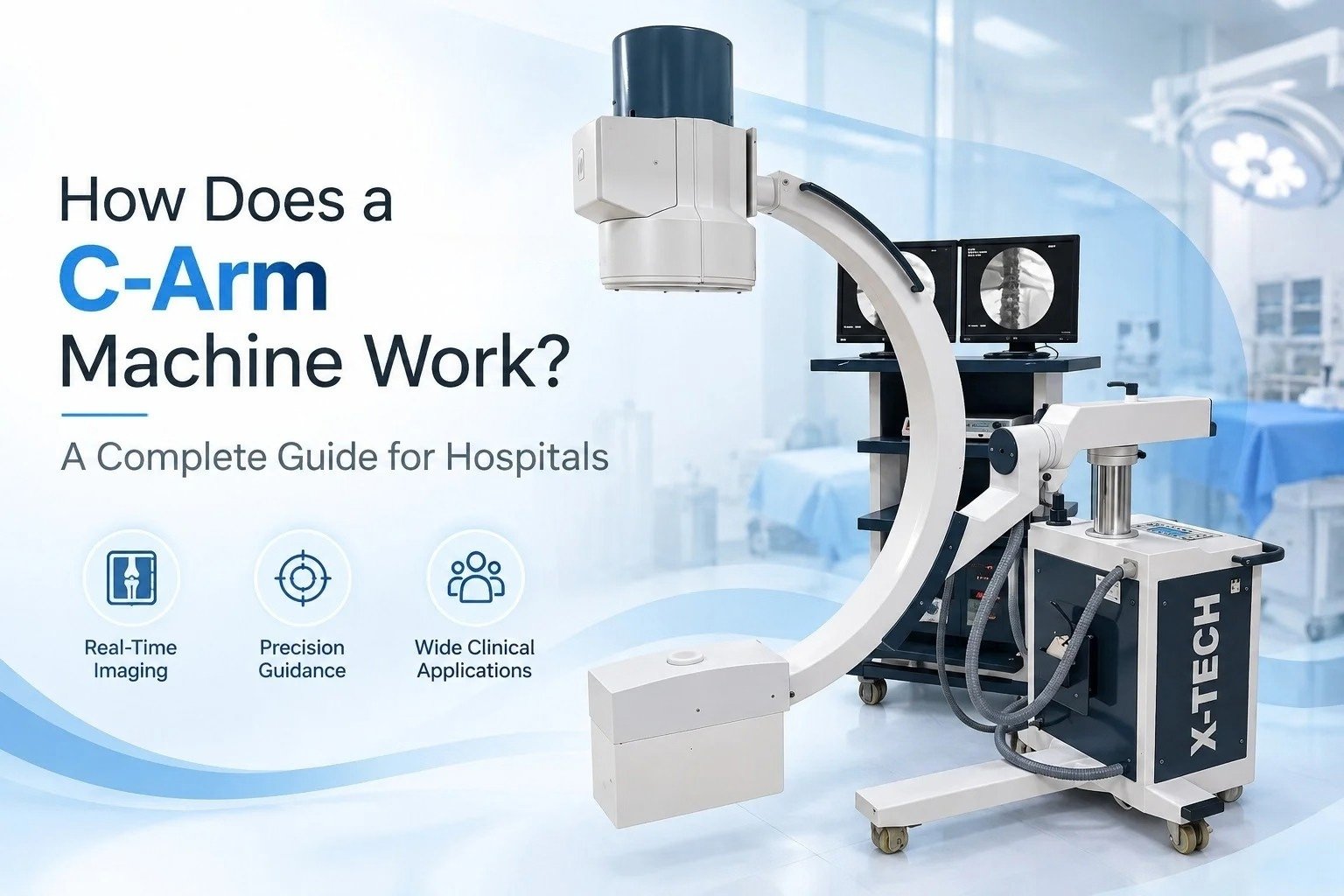
The company’s product range includes X-Ray machines in different configurations, digital radiography systems, DR systems, C-Arm machines, and X-Ray machine accessories.
Healthcare facilities evaluating imaging equipment can discuss their requirements with the X-Tech team to understand the available models and suitable configurations.
When contacting the company, share your expected workload, intended examinations, installation location, available power supply, and preferred digital or conventional setup. These details can help the team guide you towards an appropriate product option.
For current model availability, technical specifications, installation details, and pricing, contact X-Tech Medical Systems directly.
Conclusion
Choosing between a 100mA, 300mA, and 500mA X-Ray machine requires a careful assessment of your facility’s imaging needs, expected workload, equipment specifications, and installation requirements.
Rather than selecting a machine solely by its mA rating, compare the complete system and obtain professional guidance before making your investment.
X-Tech Medical Systems Pvt. Ltd. offers a range of medical imaging equipment for healthcare facilities evaluating X-Ray and digital radiography solutions.
Looking for the right X-Ray machine for your hospital or diagnostic centre?
Contact X-Tech Medical Systems Pvt. Ltd. to discuss your requirements, explore available models and request a quotation.
Website: https://xraymachines.in/
Phone: +91 9883349060
Location: Kolkata, West Bengal, India
What People Mostly Asked?